At Timberline Roofing, we know that scheduling a roofing project isn’t just about materials and timelines; it’s also about how the work will impact your daily life. For Utah homeowners, one of the most common questions we hear before a project begins is a simple one: How loud will a roofing job be?
That’s a fair question. Roofing work can be disruptive if you’re not prepared, especially if you work from home, have pets, or plan to be around during the installation. Understanding what to expect ahead of time can help you plan accordingly and feel confident going into your roofing project.
Why Roofing Jobs Are Noisy
Roofing is hands-on, physical work, and noise is part of the process. The level of sound you experience depends on the scope of the job, the roofing material being installed, and the structure of your home.
During a typical residential roofing project, noise comes from several sources:
- Removing old roofing materials
- Hammering or fastening new materials
- Tools are being moved across the roof
- Materials are being delivered and staged
In Utah, where many homes are built with steeper roof pitches to handle snow, the work can sound louder simply because the crew needs to move carefully and deliberately across the roof surface.
What a Typical Roofing Day Sounds Like
For most homeowners, roofing noise is loud but temporary. Here’s a general idea of what you can expect during different phases of the project.
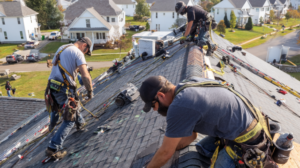
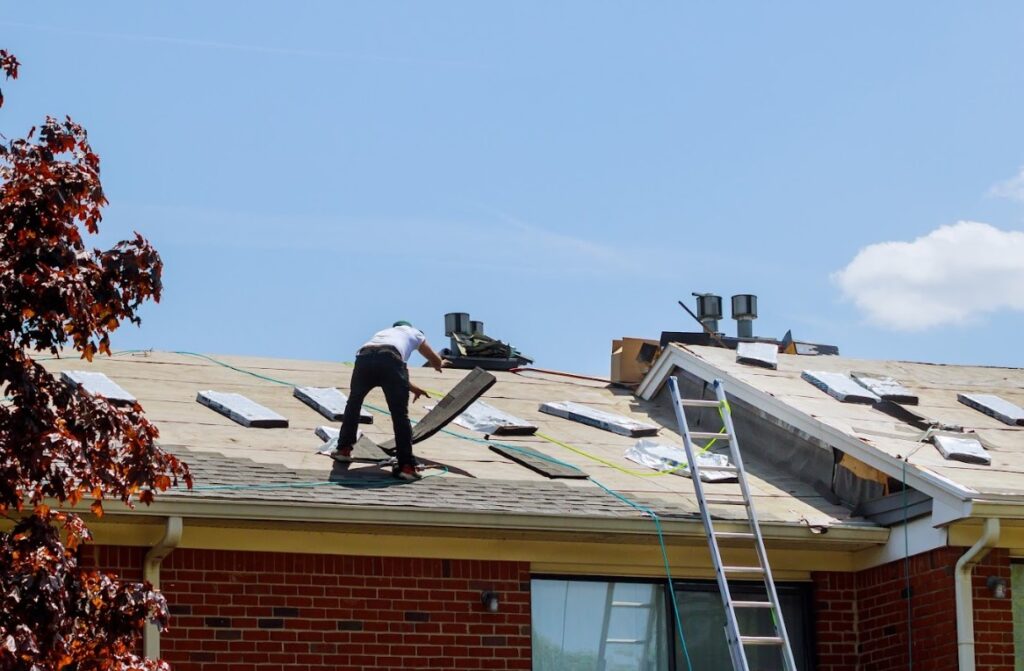
Tear-off phase: This is usually the loudest part of the job. Removing old shingles or roofing materials involves scraping, prying, and sliding materials into disposal containers. This phase can sound like constant thudding or banging and typically lasts a few hours, depending on the roof size.
Installation phase: Once the old materials are removed, noise becomes more rhythmic and predictable. Hammering or fastening systems create steady tapping sounds rather than constant crashing. While still noticeable, many homeowners find this phase easier to tune out.
Finishing work and cleanup: As the project wraps up, noise levels drop significantly. Crews focus on detail work, flashing, and cleanup, which produces far less disruption.
How Loud Is “Loud,” Really?
Roofing noise is often compared to:
- Someone is hammering inside your home
- Furniture being moved across a floor
- Construction is happening directly overhead
If you’re inside the house, the sound is noticeable but not harmful. If you’re outside, it will sound more intense due to the direct impact of tools and materials.
Metal roofing installations can sometimes sound sharper due to the nature of the material, while asphalt shingle roofing tends to produce more muted, repetitive sounds. Flat roofing systems and synthetic materials may vary depending on installation methods.
How Long Does the Noise Typically Last
Most residential roofing jobs in Utah are completed within one to three days, depending on roof size, material choice, and weather conditions. While each day will involve periods of noise, it’s important to remember that it’s temporary and tied directly to visible progress on your home.
Utah weather can occasionally affect scheduling, but experienced crews plan efficiently to minimize disruption whenever possible.
How to Prepare for a Roofing Job
A little preparation can make a big difference in how disruptive a roofing project feels.
Plan to be out of the house if needed:If you work from home or have meetings that require quiet, consider working elsewhere during the loudest phases of the job.
Protect pets: Pets are often more sensitive to noise than people. Creating a quiet space indoors or arranging for them to be elsewhere during the day can help reduce stress.
Secure items inside your home: Vibrations from roofing work can cause items on walls or shelves to shift. Taking a few minutes to secure fragile items is a smart precaution.
Communicate with your roofing team: Knowing when the loudest work will happen allows you to plan your day more comfortably.
Roofing Materials We Install and Noise Expectations
Timberline Roofing installs a variety of residential roofing systems, and noise levels can vary slightly depending on the material, including:
- Architectural and premium asphalt shingles
- Metal roofing, including steel, corrugated, standing seam, and exposed fastener systems
- Synthetic tile roofing
- Cedar shake and cedar shingle roofing
- Residential flat roofing systems
No matter the material, our team works efficiently and professionally to keep disruption as minimal as possible.
We’re Here to Make the Process Smooth
At Timberline Roofing, we believe good communication is just as important as quality workmanship. From the first consultation to project completion, we make sure homeowners know what to expect, including noise, timing, and daily progress.
If you’re considering a roof replacement, repair, or emergency roofing service and want to better understand what the process will look like, we’re here to help. Timberline Roofing provides residential roofing installations, replacements, aluminum gutter systems, and emergency roofing solutions designed to protect Utah homes year-round.
Contact Timberline Roofing today to schedule a consultation. We’ll answer your questions, walk you through the process, and help you feel prepared every step of the way.