Are you worried about how loud a roofing job will be?
That is a common concern for homeowners across West Jordan, Salt Lake City, and surrounding Utah communities. Whether you need a simple repair or a full roof replacement, it is natural to wonder how much noise the project will create and how it might affect your daily routine.
The truth is that roofing work can be noisy at times. There is no way around the fact that crews are working directly above your head. You may hear hammering, footsteps, materials being moved, and tools in use throughout the day.
The good news is that the noise is temporary. Most homeowners tell us they expected the project to feel more disruptive than it actually was. Once the work is complete, they have the peace of mind that comes with knowing their home is protected for years to come.
At Timberline Roofing, we believe in keeping homeowners informed every step of the way. Here is what you can expect when it comes to roofing noise levels during a repair, installation, or roof replacement.
Why Roofing Projects Can Be Loud
Roofing is hands-on work. Whether we are repairing storm damage, replacing worn shingles, or installing a brand-new roof, our crews use tools and materials that naturally create noise.
Some of the sounds you may hear include:
- Hammering and nail guns
- Workers walking on the roof
- Shingles or roofing materials being removed
- Materials being loaded and unloaded
- Air compressors powering equipment
- Cleanup activities at the end of the day
The amount of noise depends on the size of the project and the type of roofing system being installed.
In Utah, many homeowners schedule roofing work during the warmer months when conditions are ideal for installation. If you work from home, have children home during summer break, or have pets that are sensitive to noise, it can help to know what to expect ahead of time.
What to Expect During a Roof Repair
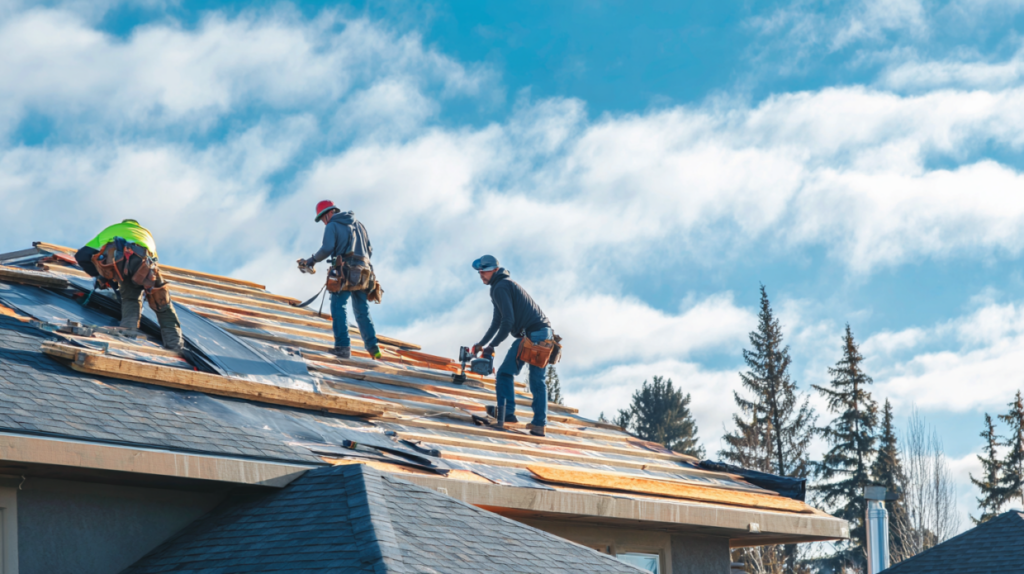
Roof repairs are usually the least disruptive roofing projects.
If a few shingles need replacement or a leak needs attention, the work is typically focused on one section of the roof. You may hear some hammering and foot traffic overhead, but the noise is generally limited and short-lived.
Many repairs can be completed in a single day.
Most homeowners can continue their normal routines with only minor interruptions.
What to Expect During a Roof Installation or Roof Replacement
A roof replacement is typically the loudest type of roofing project because it involves removing old materials before installing new ones.
The tear-off phase is usually the noisiest part of the process. Crews remove existing roofing materials and prepare the roof deck for the new system.
Once installation begins, the sounds often become more predictable. You will still hear workers moving across the roof and fastening materials into place, but many homeowners find this stage less disruptive than the initial tear-off.
Fortunately, most residential roof replacements in West Jordan and Salt Lake City are completed within a few days, depending on the size and complexity of the home.
Many Utah homeowners are surprised by how quickly the process moves once work begins.
Are Some Roofing Materials Louder to Install Than Others?
Yes. Some roofing systems can create more installation noise than others.
Asphalt Shingles
Architectural and premium asphalt shingles are among the most popular roofing choices in Utah.
The installation process involves removing old materials, positioning new shingles, and fastening them into place. Homeowners can expect the typical sounds associated with a roofing project, but nothing unusual compared to most residential roof replacements.
Metal Roofing
Metal roofing systems such as corrugated metal, standing seam, steel roofing, and exposed fastener panels may create slightly more installation noise because larger panels need to be measured, positioned, and secured.
Many homeowners also ask whether metal roofs are noisier during rainstorms. In reality, a correctly installed metal roof with quality roof decking and attic insulation is often only slightly louder, if at all, than many other roofing systems.
Synthetic Tile Roofing
Synthetic tile roofing can involve larger roofing components, but from a homeowner’s perspective, the installation experience is generally similar to other roof replacement projects.
Cedar Shake and Cedar Shingle Roofing
Cedar roofing requires careful installation and attention to detail. While there is still construction noise, the pace often feels more methodical because individual pieces are installed with precision.
Residential Flat Roofing
Residential flat roofing projects can vary depending on the roofing system being installed. Noise levels will vary depending on the size of the project and the installation methods being used.
Tips for Managing Roofing Noise
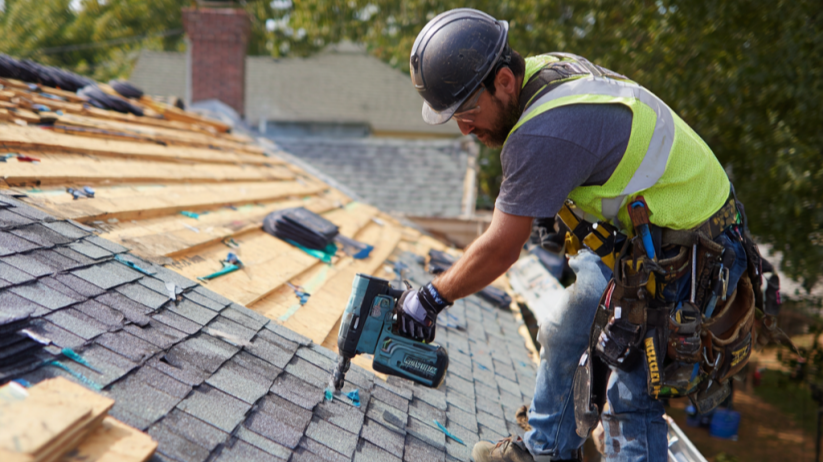
A little planning can make roofing day much easier.
Here are a few simple suggestions:
- Schedule important virtual meetings outside peak work hours when possible.
- Let family members know what to expect.
- Set up a temporary workspace in a quieter area of the home.
- Consider alternative arrangements for noise-sensitive pets.
- Expect most roofing activity to occur during normal daytime working hours.
Remember, roofing noise is temporary. The protection your new roof provides can last for decades.
We’re Here to Answer Your Questions
At Timberline Roofing, we understand that a roofing project affects more than just your roof. It affects your family’s routine as well.
That is why we take the time to explain the process, answer questions, and keep homeowners informed from start to finish. Whether you need a simple roof repair, roof installation, roof replacement, asphalt shingles, metal roofing, synthetic tile roofing, cedar shake roofing, residential flat roofing, gutters, or emergency roof solutions, our team is here to help.
If you are planning a roofing project in West Jordan, Salt Lake City, or a nearby Utah community, contact Timberline Roofing today. We will answer all of your questions, explain what to expect, and help you feel confident every step of the way.