When it comes to your roof, waiting things out can feel tempting, especially if the problem seems small or easy to ignore. A loose shingle here, a tiny leak there, maybe a stain that hasn’t grown much yet. But Utah’s climate has a way of turning minor roofing issues into major (and expensive) problems faster than many homeowners expect. Between heavy snow loads, freeze-thaw cycles, intense summer sun, and sudden storms, delays rarely work in your favor.
At Timberline Roofing, we’ve seen firsthand how small roof concerns across Utah communities can snowball when they’re put off. Below are the top five roof issues in Utah that almost always get worse and more costly the longer you wait.
1. Small Roof Leaks That Quietly Spread
A minor roof leak might not look like an emergency at first, especially if it only shows up during heavy rain or snowmelt. But even a slow drip can cause serious damage behind the scenes. In Utah, freeze-thaw cycles allow water to seep into tiny openings, expand as it freezes, and widen gaps over time.
Left unchecked, small leaks can soak roof decking, insulation, and even framing. This not only raises repair costs but can also lead to mold growth and reduced energy efficiency. What could have been a straightforward repair often turns into a much larger restoration project when delayed.
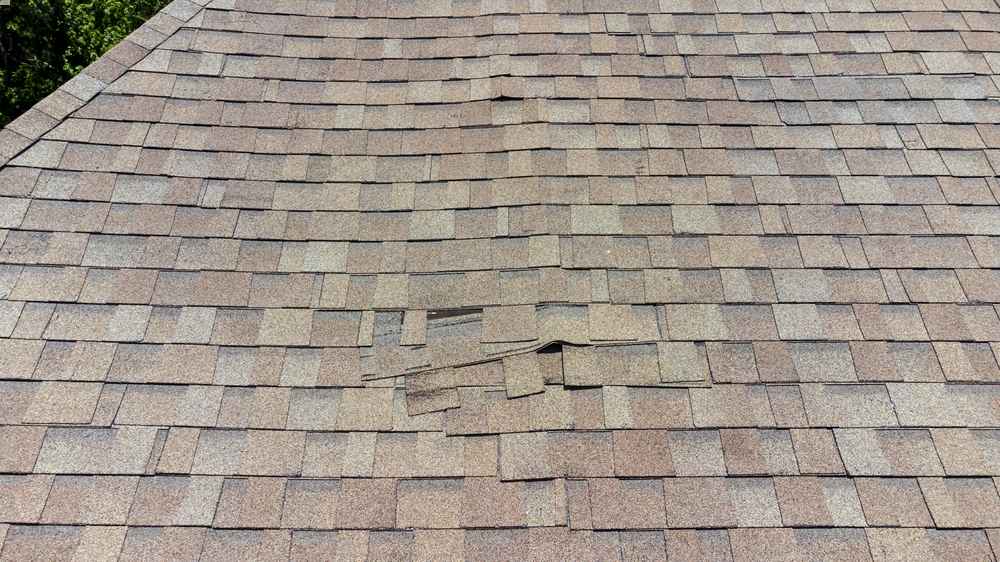
2. Damaged or Missing Shingles After Storms
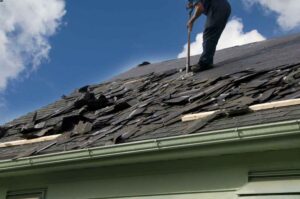
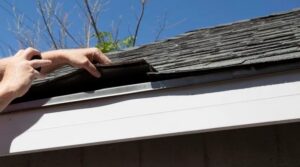
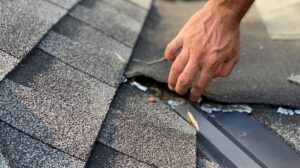
Utah storms, especially wind-driven rain, hail, or heavy snowfall, can loosen or damage shingles without being obvious from the ground. Architectural and premium asphalt shingles are built to hold up well, but once a shingle cracks, curls, or blows off, the roof underneath becomes exposed.
Waiting to replace a few damaged shingles allows moisture to reach the underlayment and decking. Over time, this can cause rot and compromise the surrounding shingles, turning a small fix into a much bigger repair. Prompt attention after storms helps protect the rest of your roofing system.
3. Ice Dams and Winter Moisture Buildup
Ice dams are a frequent winter roofing issue across Utah. Ice dams start to form when heat escapes through the roof, melting snow that later refreezes at the eaves. As ice builds up, it traps water behind it, forcing moisture under shingles and into your roof system.
If ice dam damage isn’t addressed early, repeated winters can weaken decking, fascia, and gutters. What starts as seasonal water intrusion can eventually lead to ongoing leaks and structural deterioration. Addressing early signs, like water stains or peeling paint near roof edges, can prevent long-term damage.
4. Aging or Weathered Roofing Materials
Utah’s high-altitude sun can be just as tough on roofs as winter weather. Over time, UV exposure dries out asphalt shingles, fades cedar shake, and stresses metal roofing fasteners and seams. Synthetic tile and flat roofing systems can also degrade if minor issues are ignored.
When homeowners delay inspections on aging roofs, small signs of wear often progress into widespread failure. Catching deterioration early allows for targeted repairs rather than full replacement, saving money and extending the life of the roof.
5. Clogged or Failing Gutters Affecting the Roof
Gutters play a bigger part in roof health than many people realize. When seamless aluminum, K-style, or half-round gutters clog or pull away from the home, water can back up onto the roof edge. In Utah winters, this standing water often freezes, contributing to ice dams and moisture intrusion.
Ignoring gutter issues allows water to damage roof edges, soffits, and fascia. Over time, this can lead to rot and leaks that appear to be roofing problems but actually start with poor drainage. Keeping gutters functioning properly protects both your roof and your home’s exterior.

Why Acting Early Matters in Utah
In Utah’s climate, roofing problems rarely stay small. Seasonal extremes have a way of accelerating damage, especially when water is involved. Addressing issues early typically means simpler repairs, lower costs, and less disruption to your home.
Timberline Roofing takes a neighborly, straightforward approach to helping Utah homeowners stay ahead of roofing issues. Whether it’s a minor leak, storm damage assessment, emergency tarping, or temporary roof repairs, getting timely help can make all the difference.
If you’ve noticed changes in your roof, or even if something just doesn’t feel right, it’s often worth having it checked sooner rather than later. A little attention now can stop a lot of stress down the road.