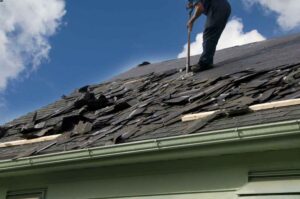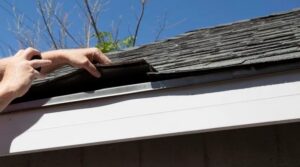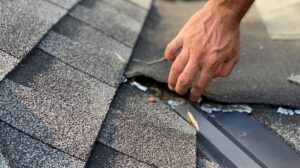
If you’re dealing with a failing roof and winter is already here, it’s normal to wonder whether replacing it now is a bad idea, especially in West Jordan. Snow, cold temperatures, and shorter days can make any home project feel risky. But the truth is, winter roof replacement in West Jordan isn’t automatically a mistake. In many cases, it’s not only possible, but it’s the smarter move.
At Timberline Roofing, we regularly help homeowners across the Salt Lake Valley understand when winter roof replacement makes sense, what challenges to expect, and how professionals safely work around Utah’s cold-weather conditions. Let’s break it down so you can make a confident decision for your home.
Why Winter Roof Replacement Has a Bad Reputation
Winter roofing has long been surrounded by misconceptions. Homeowners often hear that shingles won’t seal, materials will crack, or crews can’t work safely in cold weather. While these concerns can apply in extreme conditions or with inexperienced contractors, they don’t tell the full story.
Modern roofing materials are designed with cold-weather installation in mind, and professional crews know how to adapt installation techniques to winter conditions. In West Jordan, winter weather is often cold but dry, which can actually be more workable than rainy spring conditions.
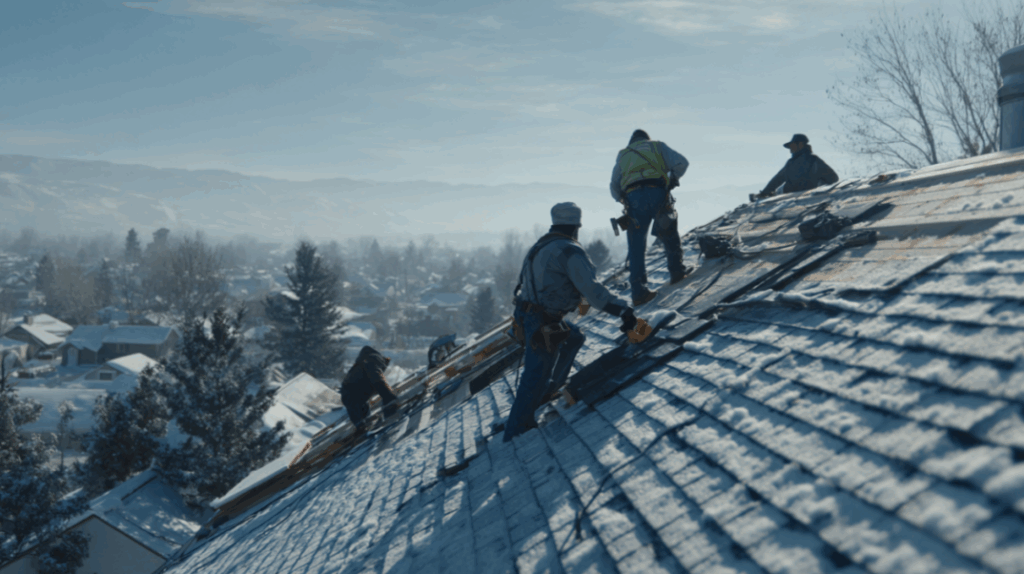
When Winter Roof Replacement in West Jordan Makes Sense
There are several situations where replacing your roof during winter is not only reasonable, but recommended.
Active leaks or structural concerns: If your roof is already leaking or showing signs of failure, waiting months for warmer weather can allow water damage to spread. Snowmelt can seep into small openings, refreeze, and widen gaps over time. Addressing the problem sooner helps protect decking, insulation, and interior finishes.
Storm or snow-related damage: Heavy snow loads, wind, and ice can accelerate existing weaknesses in roofing systems. If an inspection shows that repairs won’t be enough, replacement may be the safest long-term option; even in winter.
Material availability and scheduling: Winter is often a less crowded season for roofing. That can mean more flexible scheduling and faster turnaround times compared to peak spring and summer months.
Can Roofing Materials Be Installed in Cold Weather?
Yes — with proper handling.
- Asphalt shingles can be installed in winter when temperatures are managed carefully. Roofers may use hand-sealing techniques to ensure proper adhesion until warmer temperatures activate the sealant naturally.
- Metal roofing, including standing seam and corrugated systems, performs especially well in winter installations and is less temperature-sensitive.
- Synthetic tile and flat roofing systems can also be installed when conditions are appropriate and safety protocols are followed.
The key isn’t the season, it’s the experience of the contractor and their understanding of Utah winter conditions.
Winter Challenges (and How Pros Work Around Them)
Winter roofing does come with challenges, but none of them are deal-breakers when handled correctly.
Temperature windows: Crews monitor daily temperatures and install materials during safe working windows.
Snow and ice management: Roof surfaces are cleared and stabilized before work begins to maintain safety and quality.
Shorter daylight hours: Projects are planned efficiently, sometimes spread over additional days to maintain attention to detail.
A reputable roofing company won’t rush work just to finish quickly, especially in winter.
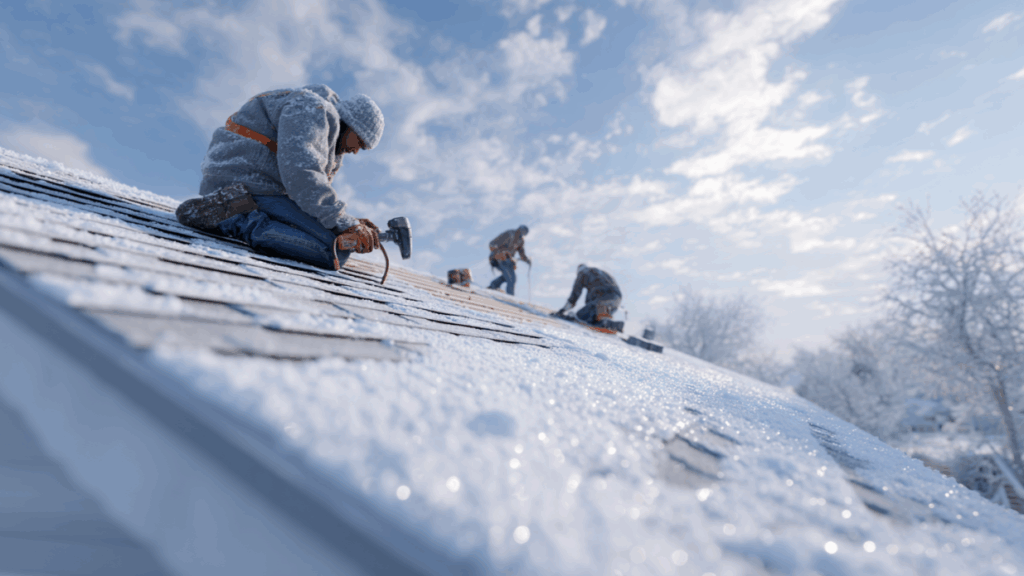
When Waiting Might Be the Better Choice
Winter replacement may not be ideal if:
- The roof issue is cosmetic and not affecting performance
- Temperatures are consistently too low for safe installation
- Snow or ice conditions prevent proper prep
In these cases, temporary solutions like emergency tarping or minor repairs can protect your home until full replacement is feasible.
The Bottom Line for West Jordan Homeowners
So, is winter roof replacement a bad idea in West Jordan? Not necessarily. In fact, for many homeowners facing leaks, storm damage, or aging materials, winter replacement can prevent further damage and offer peace of mind through the harshest months of the year.
The most important factor is working with a roofing team that understands local conditions, uses proper cold-weather techniques, and puts safety and quality first. A thorough assessment can help you decide whether replacement now is the right move, or if a temporary solution makes more sense until spring.
If you’re unsure about your roof’s condition this winter, getting answers sooner can save you stress, money, and unnecessary damage down the road.