If you live in West Jordan or anywhere in Salt Lake County, you already know Utah weather doesn’t play around. We get heavy winter snow, spring windstorms, intense summer sun, and the occasional surprise hailstorm. That kind of year-round exposure takes a real toll on your roof. That’s why roof inspections matter.
At Timberline Roofing, we often hear homeowners ask, “How often should I inspect my roof?” It’s a fair question. No one wants to overthink their roof, but waiting too long between inspections can turn a small, affordable repair into a major expense. Let’s break down the right roof inspection frequency for homes here in West Jordan and throughout Salt Lake City and the surrounding communities.
So… How Often Should You Inspect Your Roof?
In Salt Lake County, we recommend:
- At least once per year
- After any major storm event
- Before listing your home for sale
- If your roof is over 10–15 years old, consider twice per year
That yearly inspection is your baseline. Think of it like a physical for your home. Even if everything looks fine, your roof may have minor wear from snow load, wind uplift, UV exposure, or temperature swings.
Utah’s freeze-thaw cycles are especially tough. Snow melts during the day and refreezes at night, which can loosen shingles, lift flashing, and create small cracks that eventually allow moisture in. Those small issues often aren’t visible from the ground.
That’s why consistent roof inspection frequency matters here more than in milder climates.
Why West Jordan & Salt Lake County Roofs Need Regular Attention
Every region has its challenges, but ours are unique:
Heavy Snow & Ice
Winter accumulation puts weight and stress on roofing systems. Ice dams can form along eaves and cause water to back up under shingles.
High Winds
Spring and fall winds can lift shingles, loosen fasteners, and damage flashing — especially on older roofs.
Intense UV Exposure
Utah’s high elevation means stronger sun exposure. Over time, UV rays dry out asphalt shingles and fade cedar shake, reducing flexibility and lifespan.
Temperature Swings
Hot summer days followed by cool nights cause roofing materials to expand and contract. That movement slowly weakens seals and connections.
Because of these factors, staying consistent with how often roof inspections are performed is one of the smartest ways to protect your investment.
What We Look For During a Professional Inspection
When Timberline Roofing performs a roof inspection in West Jordan or Salt Lake City, we take a thorough, honest approach. No scare tactics. Just clear information.
We check for:
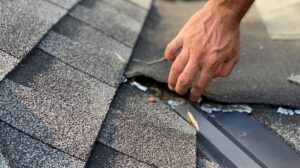
- Missing or lifted shingles
- Granule loss on asphalt roofing
- Rusted or loose metal panels and fasteners
- Flashing damage around chimneys and vents
- Soft spots on residential flat roofing
- Cracked or curling cedar shake
- Signs of moisture intrusion
- Gutter alignment and drainage issues
Our goal is simple: catch small problems early so you can avoid major repairs later.
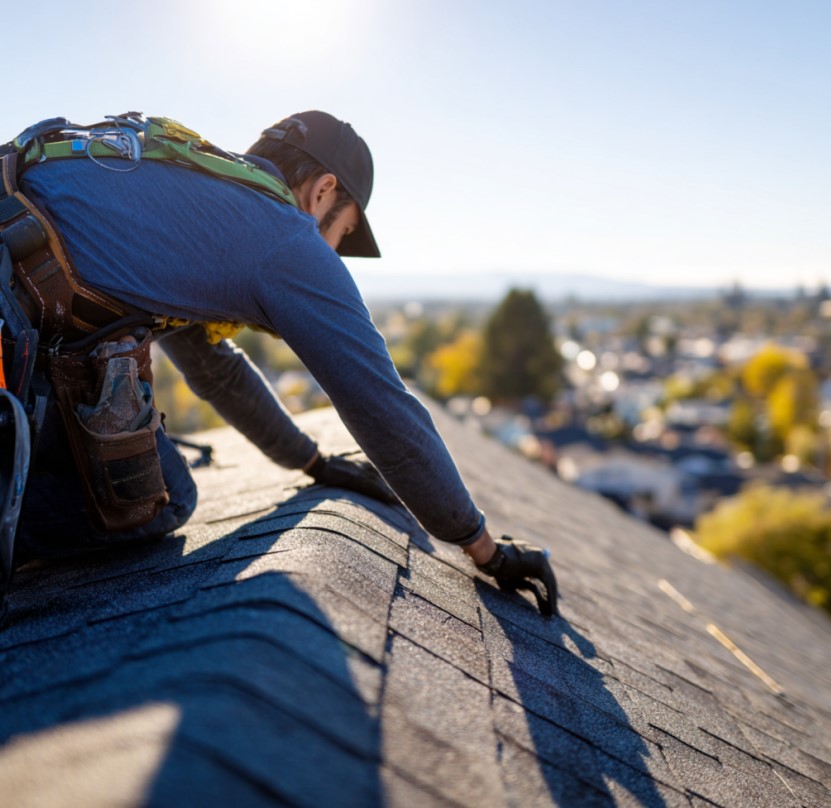
Roofing Systems We Service in Salt Lake County
Different materials require different inspection considerations. Here’s how roof inspection frequency applies across the systems we install and maintain:
Asphalt Shingles (Architectural & Premium)
These are popular across West Jordan neighborhoods. We check for granule wear, curling, cracking, and wind damage. Once they pass the 10-year mark, inspections become even more important.
Metal Roofing (Steel, Corrugated, Standing Seam, Exposed Fastener)
Metal roofs are durable, but they still need periodic checks for fastener movement, seam separation, and panel expansion issues, especially with Utah’s temperature swings.
Synthetic Tile Roofing
Synthetic materials are built to withstand weather extremes, but flashing and underlayment still need monitoring over time.
Cedar Shake & Cedar Shingle
Cedar performs beautifully in Utah’s climate but needs inspection for splitting, warping, or UV wear.
Residential Flat Roofing
Flat systems are especially vulnerable to pooling water and membrane wear. Regular inspections help extend their lifespan significantly.
Don’t Forget Your Gutters
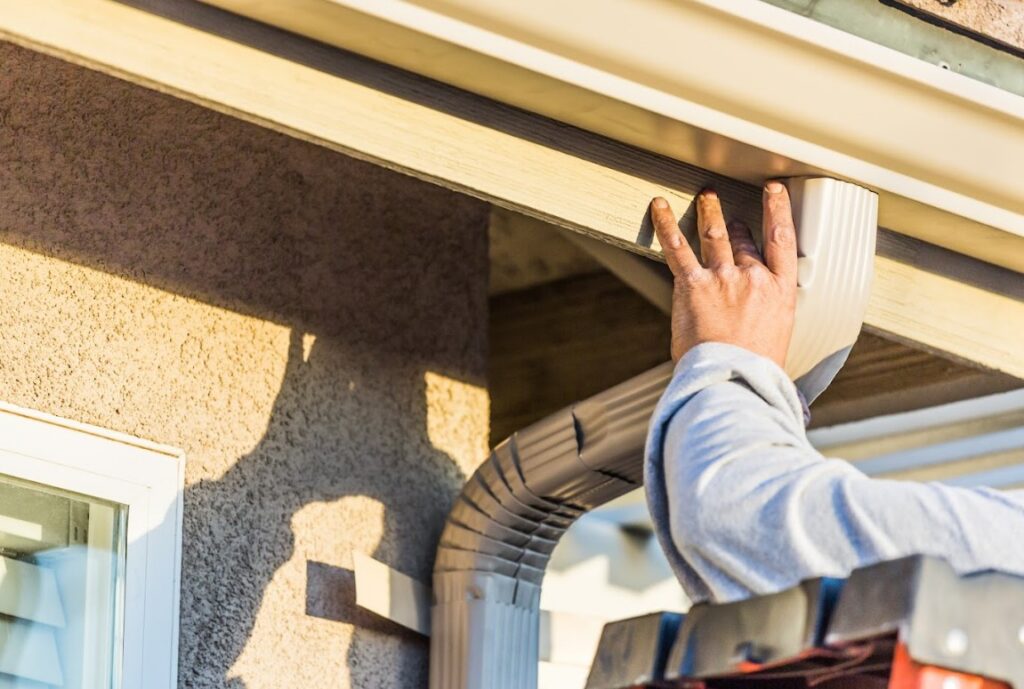
Roof inspections aren’t just about shingles. Your gutters plays a huge part in protecting your home’s foundation and siding.
We service and install:
- K-style gutters
- Half-round gutters
- Seamless aluminum systems
Clogged or misaligned gutters can make water back up onto the edge of your roof, which is why we evaluate drainage during inspections as well.
What About After a Storm?
If West Jordan or Salt Lake City experiences high winds, hail, or heavy snow, don’t wait for visible leaks.
Even if everything looks okay, hidden damage can develop under shingles or along flashing. We provide emergency roof solutions, including:
• Roof tarping
• Leak mitigation
• Storm damage assessment
• Temporary roof repairs
Catching damage early is always going to be much easier to deal with instead of waiting.
The Bottom Line: How Often Should You Inspect a Roof in Utah?
If you remember one thing, let it be this: Get your roof inspected at least once per year — and after major storms.
For aging roofs or homes in high-exposure areas, twice per year is even better.
Roof inspection frequency isn’t about selling you something. It’s about protecting your home, your budget, and your peace of mind.
Here in Salt Lake County, your roof works hard all year long. Giving it a regular check-up is simply smart homeownership.
We’re Your Local Roofing Neighbor
At Timberline Roofing, we’re proud to serve West Jordan, Salt Lake City, and surrounding Utah communities. We’re not here to pressure you; we’re here to help you make informed decisions about your home.
If it’s been a while since your last inspection, or if you’ve recently experienced rough weather, give us a call. We’ll take a careful look, explain what we see in plain language, and help you decide the next best step.
Your roof protects everything underneath it. Let’s make sure it’s ready for whatever Utah sends next.