If you live in St. George, Hurricane, Ivins, or anywhere else in Washington County, you already know what summer feels like. July afternoons regularly climb past 100 degrees, and St. George averages around 50 triple-digit days a year. That heat is part of why so many people love living in southern Utah. It is also one of the toughest things your roof will ever face.
Roofs in the desert do not wear out the same way roofs in Salt Lake County do. Up north, snow load and ice dams get most of the attention. Down here, the biggest threats are relentless sun, extreme heat, big temperature swings, and the sudden storms that roll in during monsoon season.
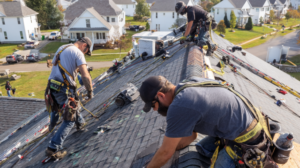
At Timberline Roofing, we help homeowners across southern Utah keep their roofs in good shape year-round. Here is what desert heat really does to your roof, which materials hold up best, and the warning signs worth watching for.
Extreme Heat and the Daily Expand-and-Contract Cycle
When the forecast says 105 degrees, your roof is much hotter than that. Dark roofing materials absorb the sun all afternoon, and the surface of your roof can run far above the air temperature.
Heat alone is not usually what ruins a roof. A quality, properly installed roofing system is built to handle hot weather. The real problem in southern Utah is the daily swing.
St. George summer days often run 30 to 35 degrees hotter than the nights. Every day, roofing materials heat up and expand. Every night, they cool down and contract. Repeat that cycle for months, year after year, and it adds up. Over time, it can lead to:
-
- Shingles that curl, crack, or lose their seal
-
- Nails that slowly back out of the decking
-
- Sealant around vents, pipes, and flashing that dries out and pulls away
Most of these problems start small and stay hidden. That is why a roof can look fine from the driveway and still be due for attention.
Intense UV Exposure Breaks Materials Down
Southern Utah gets sunshine almost every day of the year. That means your roof is soaking up ultraviolet radiation in January, not just July.
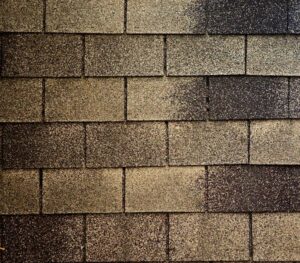
UV slowly breaks down roofing materials from the surface in. On asphalt shingles, the colored granules on top act as a sunscreen for the asphalt underneath. As granules wear away, the asphalt is exposed directly to the sun and starts to dry out and turn brittle.
Other materials feel it too. Underlayment that is exposed around damaged areas can deteriorate. Rubber pipe boots crack. Sealants harden and shrink. Even durable materials can fade unevenly.
The south and west-facing sides of your roof usually take the worst of it. If one side of your roof looks more faded or worn than the other, sun exposure is a likely reason.
Monsoon Storms, Wind, and Desert Dust
St. George does not get much rain, but when it comes, it often comes all at once. Late-summer monsoon storms can bring heavy downpours, strong gusts, and sometimes hail in a short window of time.
That combination is hard on a roof that has spent months baking in the sun. Shingles that have lost their seal are easier for wind to lift. Small cracks in flashing or tiles that went unnoticed all summer can suddenly let water in. Gutters that have filled with dust and debris can overflow and send water where it shouldn’t be.
Blowing dust adds its own wear. It settles into valleys and gutters, clogs drainage on flat roofs, and acts like fine sandpaper on roofing surfaces during windstorms.
A quick inspection before monsoon season, and another after a major storm, can catch these issues while they are still simple repairs.
How Different Roof Types Hold Up in the Desert
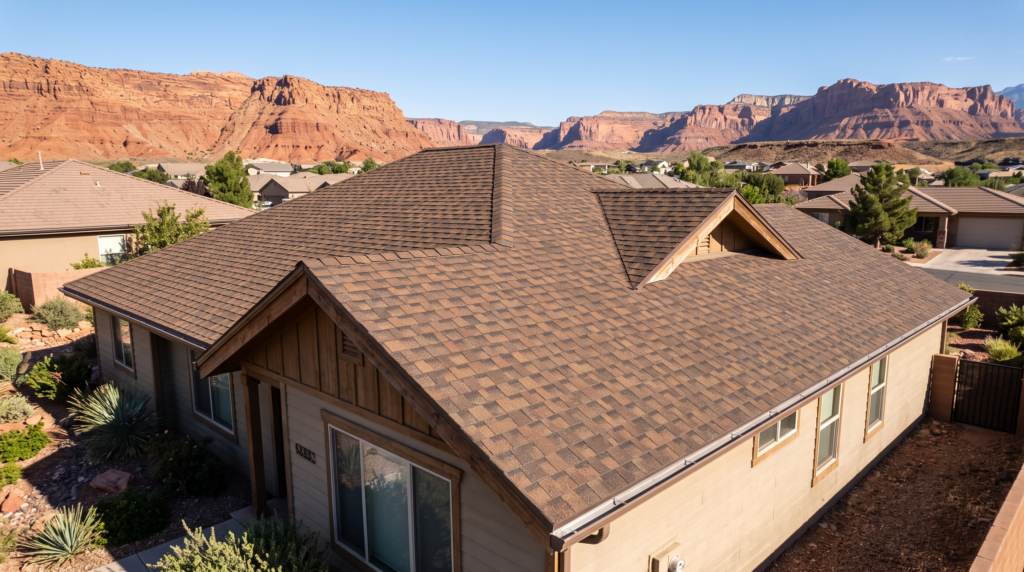
There is no single “best” roof for southern Utah. The right choice depends on your home’s style, your budget, and how long you plan to stay. Here is how the most common options handle desert conditions.
Asphalt Shingles
Asphalt shingles are an affordable, dependable choice for many St. George homes. Architectural and premium shingles hold up better than basic three-tab products. Lighter colors and reflective shingle options can also help reduce heat buildup. In the desert, the biggest things to watch are granule loss and curling on the sunniest slopes.
Metal Roofing
Metal reflects a large share of the sun’s heat, which can help keep attics cooler and lower cooling costs. Standing seam metal roofs have concealed fasteners, which helps them handle constant expansion and contraction. Metal also sheds monsoon rain quickly and resists wind.
Flat Roofs and TPO
Flat and low-slope roofs are common on modern desert homes and commercial buildings. A white TPO membrane reflects sunlight and helps keep the building below cooler. Flat roofs need good drainage, though, so keeping drains and scuppers clear of dust and debris is especially important before monsoon season.
Warning Signs to Watch For
You do not need to climb on your roof to spot trouble. From the ground or a safe spot in the yard, look for:
-
- Shingles that are curled, cracked, lifted, or missing
-
- Heavy granule buildup in gutters or at the bottom of downspouts
-
- Faded or discolored patches, especially on south- and west-facing slopes
-
- Gaps or cracks around vents, skylights, chimneys, and flashing
-
- Water stains on ceilings or a hot, stuffy attic that seems worse than usual
None of these automatically means you need a new roof. Many problems can be handled with a targeted repair if they are caught early.
Simple Ways to Protect Your Roof in Southern Utah
- Schedule an inspection before monsoon season. Late spring is a good time to catch heat damage before the storms arrive.
- Check again after big storms. High winds and hail can loosen materials that were already weakened by the sun.
- Keep gutters and drains clear. Dust, leaves, and debris build up quickly in the desert.
- Make sure your attic is properly ventilated. Good airflow helps release trapped heat that can stress roofing materials from below.
- Choose heat-smart materials when it is time to replace. Reflective shingles, metal, and TPO all perform well in the desert.
Frequently Asked Questions
How long does a roof last in St. George?
It depends on the material, installation quality, and maintenance. Desert sun and heat can shorten the life of some materials, especially asphalt shingles on sunny slopes. Regular inspections are the best way to know where your roof stands.
What is the best roofing material for southern Utah heat?
Metal and reflective shingles handle desert heat well. Flat roofs perform best with a reflective membrane like TPO. The right fit depends on your home’s design and budget.
When is the best time to replace a roof in St. George?
Southern Utah’s mild winters make roofing possible most of the year. Fall and spring are especially comfortable for crews and homeowners, and they avoid the hottest weeks of summer.
Does Timberline Roofing serve Hurricane, Ivins, and Santa Clara?
Yes. We serve St. George and surrounding communities, including Hurricane, Ivins, Santa Clara, La Verkin, Leeds, Toquerville, and Virgin.
Keep Your Southern Utah Roof Ready for the Heat
Desert heat does not have to mean early roof failure. Quality materials, proper installation, and regular inspections go a long way toward helping your roof handle St. George summers.
Timberline Roofing provides roof repair, roof replacement, gutters, and emergency services for homeowners and businesses across Washington County. All of our work is done in-house, and we offer affordable financing options.
If you have noticed curling shingles or anything else that does not look right, give us a call at (801) 860-4319 or schedule your free roof inspection today.