In St. George, the air conditioner does a lot of heavy lifting. From June through September, many homes run their AC almost nonstop, and summer power bills show it. Most homeowners look at their thermostat, windows, or AC unit when they want to cut those costs. Fewer think about the roof.
Your roof takes the full force of the desert sun every day. A dark, heat-absorbing roof turns that sunlight into heat, and some of that heat ends up in your attic and living space. A cool roof is designed to do the opposite: reflect more sunlight and release heat faster, so less of it reaches your home.
At Timberline Roofing, we help homeowners across St. George, Hurricane, Ivins, and Washington County choose roofs that hold up to desert conditions. As a GAF Master Elite contractor, one of our favorite cool roof options for the desert is GAF Timberline HDZ RS, a reflective shingle that does not force you into a white or washed-out roof. Here is how cool roofs work, why the HDZ RS is worth a close look, and what kind of difference you can realistically expect.
How a Cool Roof Works
According to the U.S. Department of Energy, traditional roofs absorb 90% or more of the sunlight that hits them. On a 105-degree afternoon, that turns your roof into a giant heat collector sitting right on top of your attic.
A cool roof changes that with two properties:
- Solar reflectance: how much sunlight the roof surface bounces away instead of absorbing.
- Thermal emittance: how quickly the roof releases the heat it does absorb.
A roof needs both to stay cool. High reflectance keeps heat from building up in the first place, and high emittance lets the roof shed leftover heat instead of passing it down into the attic.
The Cool Roof Rating Council (CRRC) tests and rates roofing products on both properties. Many manufacturers list CRRC ratings on their product sheets, which makes it easier to compare options side by side.
A “cool roof” does not have to be white. Manufacturers now make shingles, metal, and tile in tan, gray, and earth tones with special reflective granules or pigments. They look like regular roofing but reflect more of the sun’s heat.
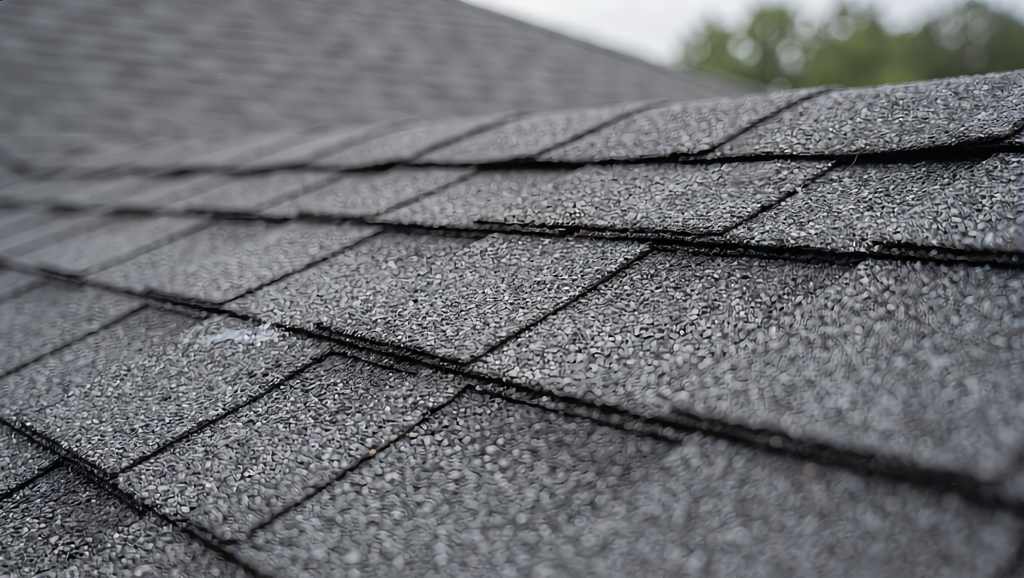
Spotlight: GAF Timberline HDZ RS Reflective Shingles
GAF Timberline HDZ is one of the most popular architectural shingles in the country. The RS, or Reflector Series, version takes that same shingle and adds reflective technology designed for hot, sunny climates like ours.
Dark Colors That Still Reflect Heat
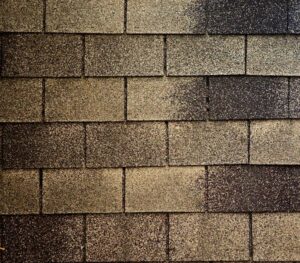
Most homeowners do not want a stark white roof, and many St. George HOAs prefer earthy, natural tones anyway. Timberline HDZ RS uses GAF’s EcoDark granules, which reflect more sunlight than standard granules while keeping rich color. The line comes in seven colors, from lighter grays and browns to Charcoal, which GAF calls the darkest reflective shingle color on the market.
Rated for Cool Roof Performance
Timberline HDZ RS shingles are rated by the Cool Roof Rating Council. They are built to meet California’s strict Title 24 cool roof requirements, one of the toughest energy codes in the country. That gives southern Utah homeowners a reliable benchmark for performance in serious heat.
Built to Handle Wind and Weather
The RS line keeps all the strengths of the standard Timberline HDZ shingle:
- LayerLock technology that bonds the shingle layers together
- StrikeZone nailing area, an extra-wide target that helps crews nail each shingle accurately
- WindProven limited wind warranty with no maximum wind speed limit, when installed with the required GAF accessories
- Time-release algae-fighting technology backed by a 25-year StainGuard Plus algae protection limited warranty
- Lifetime limited warranty against manufacturing defects
For monsoon season, that wind protection matters just as much as the reflectivity.
Why Your Installer Matters
Some GAF warranty coverage depends on who installs the roof and which accessories are used. GAF’s strongest system warranties are only available through GAF Master Elite contractors. As a Master Elite contractor, Timberline Roofing installs HDZ RS as a complete system, with the GAF starter strips, underlayment, ridge caps, and ventilation the warranty requires.
Cool Roof Options for Southern Utah Homes
Reflective Asphalt Shingles
If you like the look and price of asphalt, reflective shingles like GAF Timberline HDZ RS are the easiest upgrade. They use specially coated granules that bounce back more sunlight than standard shingles, and they install just like a regular architectural shingle roof.
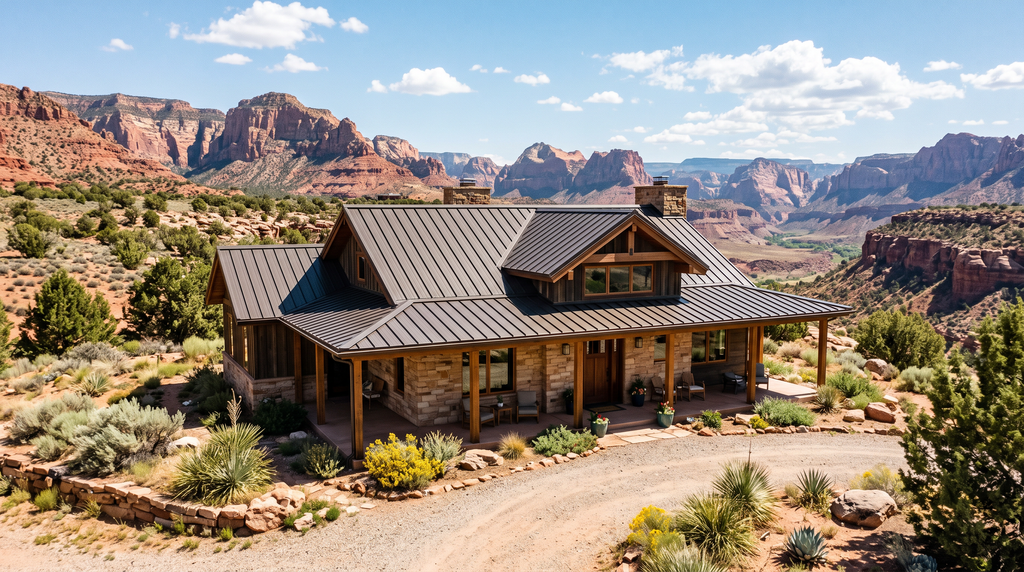
Metal Roofing
Metal is one of the strongest cool roof choices for the desert. Factory-applied reflective coatings help it shed heat quickly, and standing seam panels handle the daily expand-and-contract cycle well. Metal also lasts a long time and sheds monsoon rain fast.
Tile and Synthetic Tile
Tile already fits the southern Utah look, and lighter-colored tile performs well in the heat. Tile is often installed with a small air gap underneath, which helps slow heat transfer into the attic. Synthetic tile offers a similar look with less weight and reflective color options.
TPO and Reflective Coatings for Flat Roofs
Flat and low-slope roofs are common on modern desert homes and on commercial buildings. A white TPO membrane is one of the most reflective roofing surfaces available, which makes it a natural fit for St. George. On existing flat roofs in good condition, a reflective roof coating can be another option.
What Kind of Savings Can You Expect?
The Department of Energy notes that cool roofs can cut annual air conditioning use by as much as 15%. ENERGY STAR adds that cool roofs save the most in hot, sunny climates, which describes St. George about as well as anywhere in the country.
Your actual savings depend on your home. A few factors make a big difference:
- Attic insulation. Homes with less insulation tend to see bigger gains from a cool roof, because more roof heat would otherwise reach the living space.
- Ductwork location. Many southern Utah homes have AC ducts running through the attic. A cooler attic means cooler air reaches your vents.
- Attic ventilation. Good airflow lets trapped heat escape instead of building up under the roof deck.
- Roof shape and sun exposure. Large south- and west-facing slopes collect the most heat.
Comfort matters too. Many homeowners notice that upstairs rooms stay cooler in the late afternoon, and the AC does not have to run as hard to keep up.
Cooler roofs can also last longer. Less heat means less stress on shingles, underlayment, and sealants, which is a real advantage in a climate this hot.
Is a Cool Roof Right for Your Home?
For most St. George homeowners, the better question is not whether to go cool but how much. A few things to think about:
Timing. The most cost-effective time to switch is when your roof is already due for replacement. Choosing a reflective product at that point often costs little or nothing extra compared to a standard roof.
HOA rules. Many Washington County neighborhoods have HOA guidelines on roof color and material. Reflective products come in a wide range of colors, so there is usually an option that fits, but check your HOA’s requirements before choosing.
Winter heating. A reflective roof absorbs a bit less sun in winter, which can slightly raise heating needs. In southern Utah’s mild winters, that effect is small compared to summer cooling savings.
The whole system. A cool roof works best alongside good attic insulation and ventilation. During an inspection, we look at all three so you know where the biggest gains are.
Frequently Asked Questions
Does a cool roof have to be white?
No. Reflective shingles, metal, and tile come in many colors, including the tans, browns, and terracotta tones common in St. George neighborhoods.
Can a dark shingle really be a cool roof?
Yes. GAF Timberline HDZ RS uses reflective EcoDark granules, so even darker colors like Charcoal reflect more sunlight than standard dark shingles. Lighter colors in the line reflect the most.
Can I make my current roof a cool roof without replacing it?
For flat roofs in good condition, a reflective coating may be an option. For shingle roofs, the switch usually happens at replacement time.
Will a cool roof pay for itself?
When you are already replacing your roof, a reflective product often costs about the same as a standard one, so the energy savings start right away. Exact savings vary by home.
Are there rebates for cool roofs in St. George?
Incentives change often. Check with your electric utility for current energy-efficiency programs, which sometimes cover upgrades like attic insulation.
Beat the Desert Heat From the Top Down
Your roof is your home’s first defense against the southern Utah sun. Choosing the right material can help keep your home more comfortable, ease the load on your AC, and extend the life of your roof.
Timberline Roofing is a GAF Master Elite contractor, and we install GAF Timberline HDZ RS reflective shingles along with metal, synthetic tile, and flat roofing systems for homes and businesses across Washington County. All of our work is done in-house, and we offer affordable financing options.
Want to see HDZ RS color samples, or wondering if your current roof is working against you? Call us at (801) 860-4319 or schedule your free roof inspection today.